R&D 03 · Industrial & Architectural Worldbuilding / Mobile Habitat Visual Development
Machines for Impossible Journeys
Mobile architectures for terrains that refuse ordinary transport
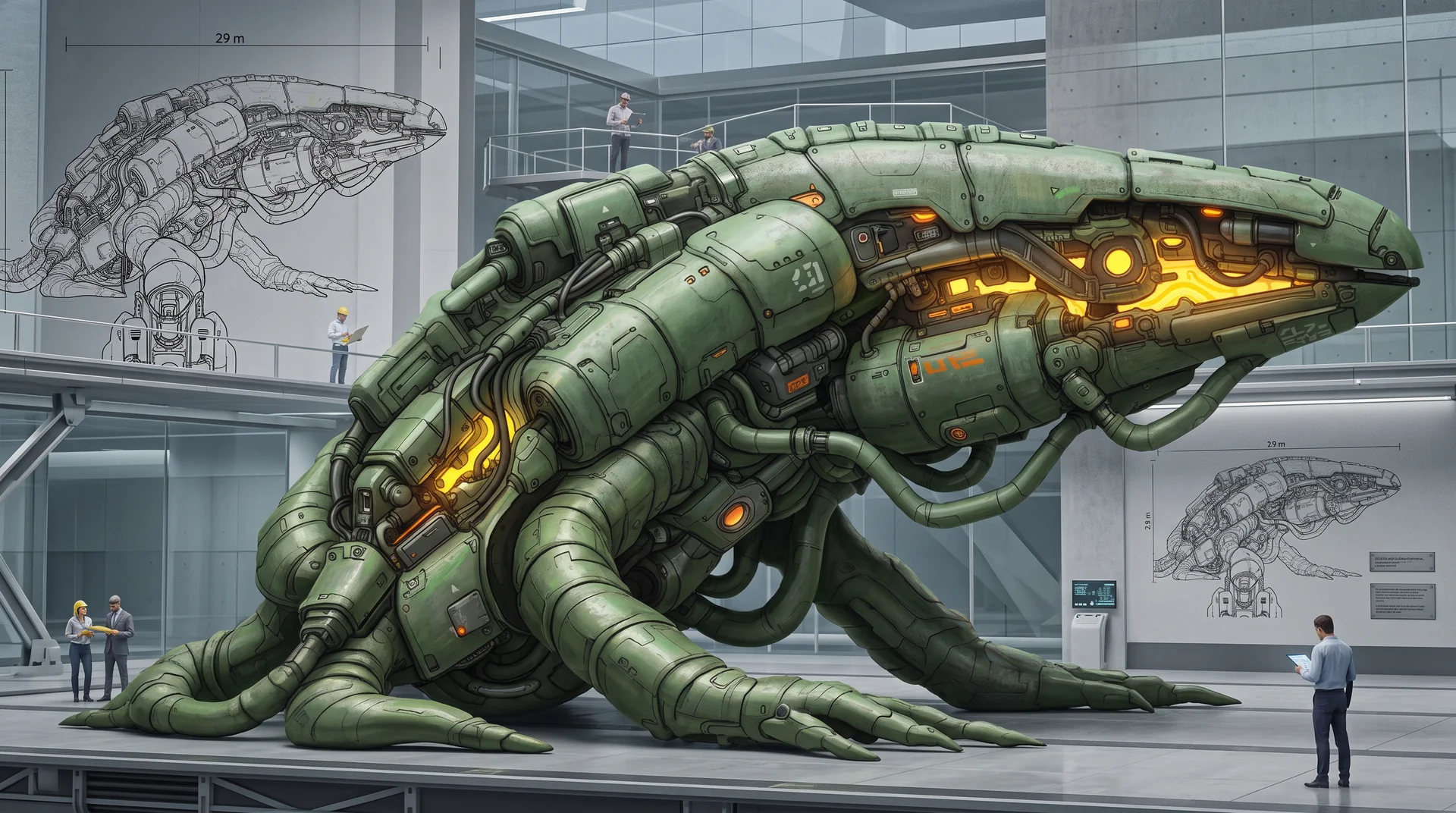
Premise
For flooded plains, fractured deserts and sites with no permanent infrastructure, communities build machines large enough to carry workshops, power systems and habitable rooms. Each design is both transport and temporary architecture.
“When the journey is impossible, the vehicle becomes a building—and the building learns to move.”
Challenge
What the study had to solve
Prove that an expressive sketch language can become a coherent family of mobile habitats with credible scale, locomotion, maintenance, human access and site deployment—without collapsing into a gallery of unrelated spacecraft.
Audience
Who the world must work for
Film, game, animation, experiential and innovation teams developing large-scale mobility, survival or destination worlds; recruiters looking for visible design lineage from authored drawing to spatially credible environment.
Narrative / design architecture
A sequence with consequence.
- 01Research / Morphology
- 02Translation / Drawing to volume
- 03Scale / Operator and access
- 04Terrain / Locomotion
- 05Deployment / Machine becomes place
- 06Interior / Services and habitation
- 07Journey / Long-range movement
- 08Repair / Wear and consequence
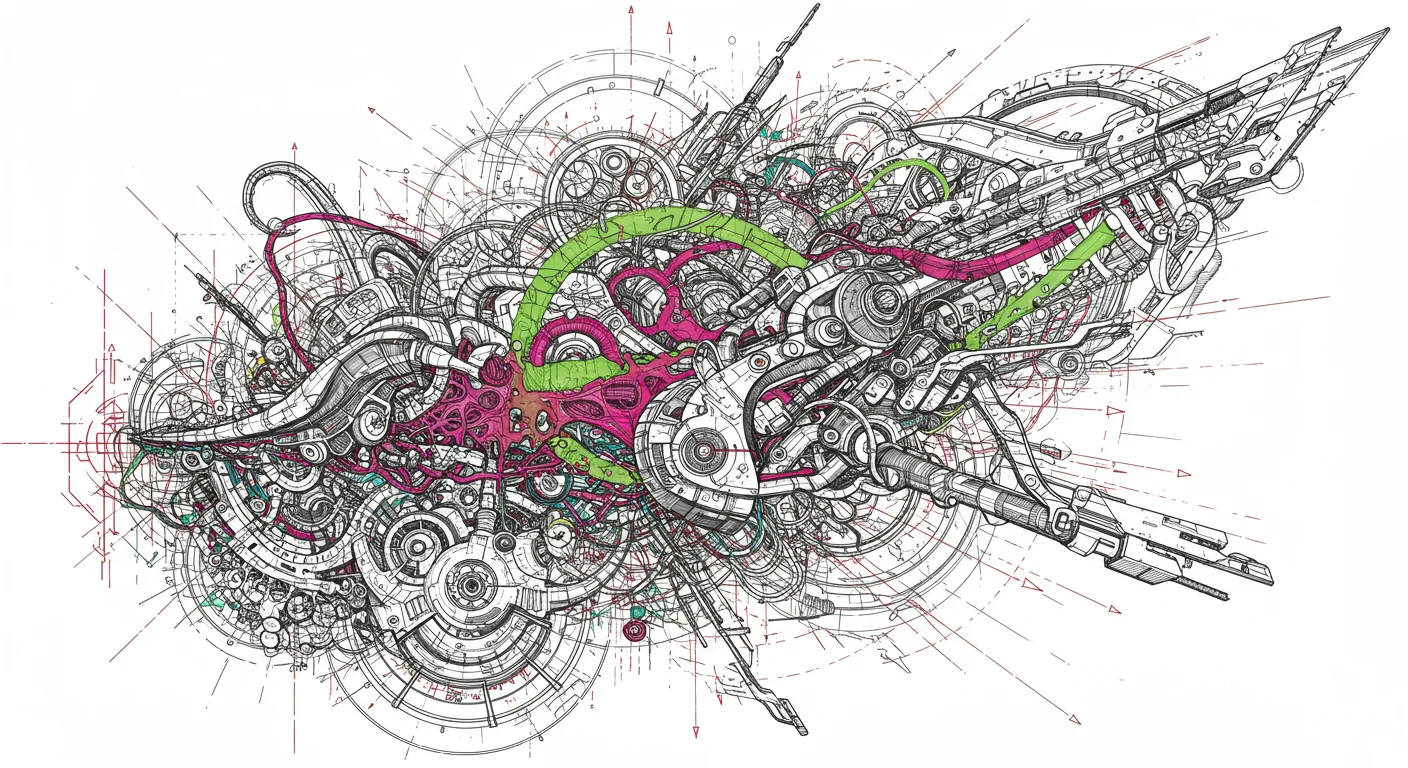
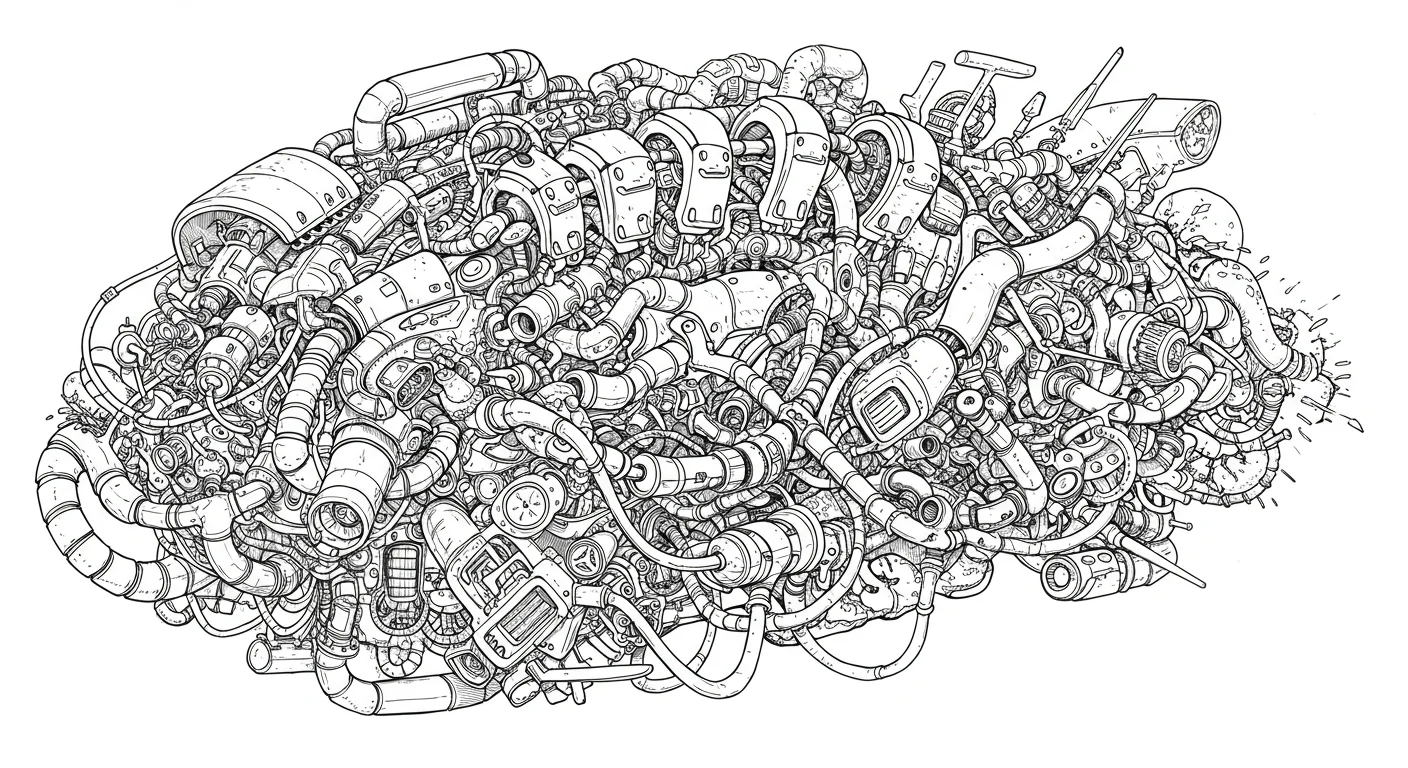
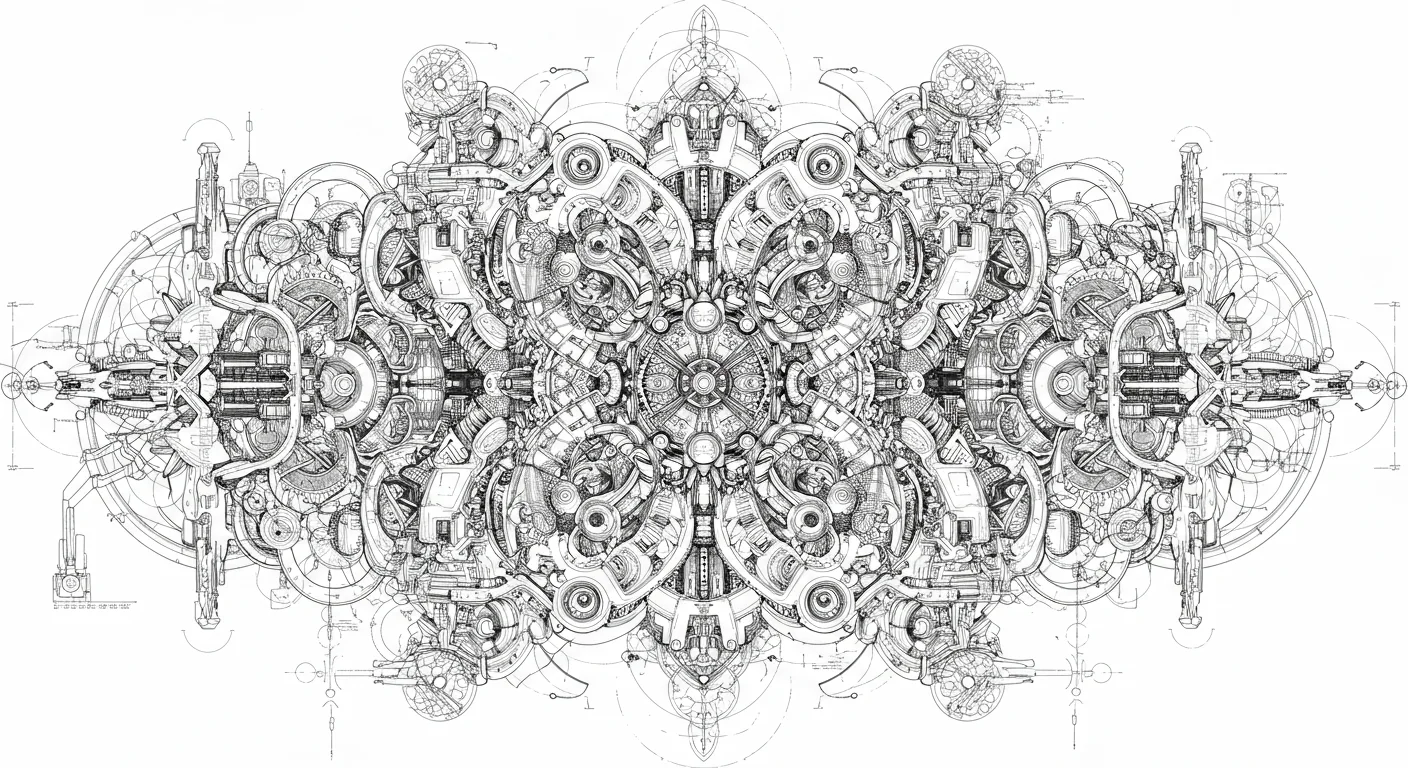
Selected visual sequence
The world develops frame by frame.
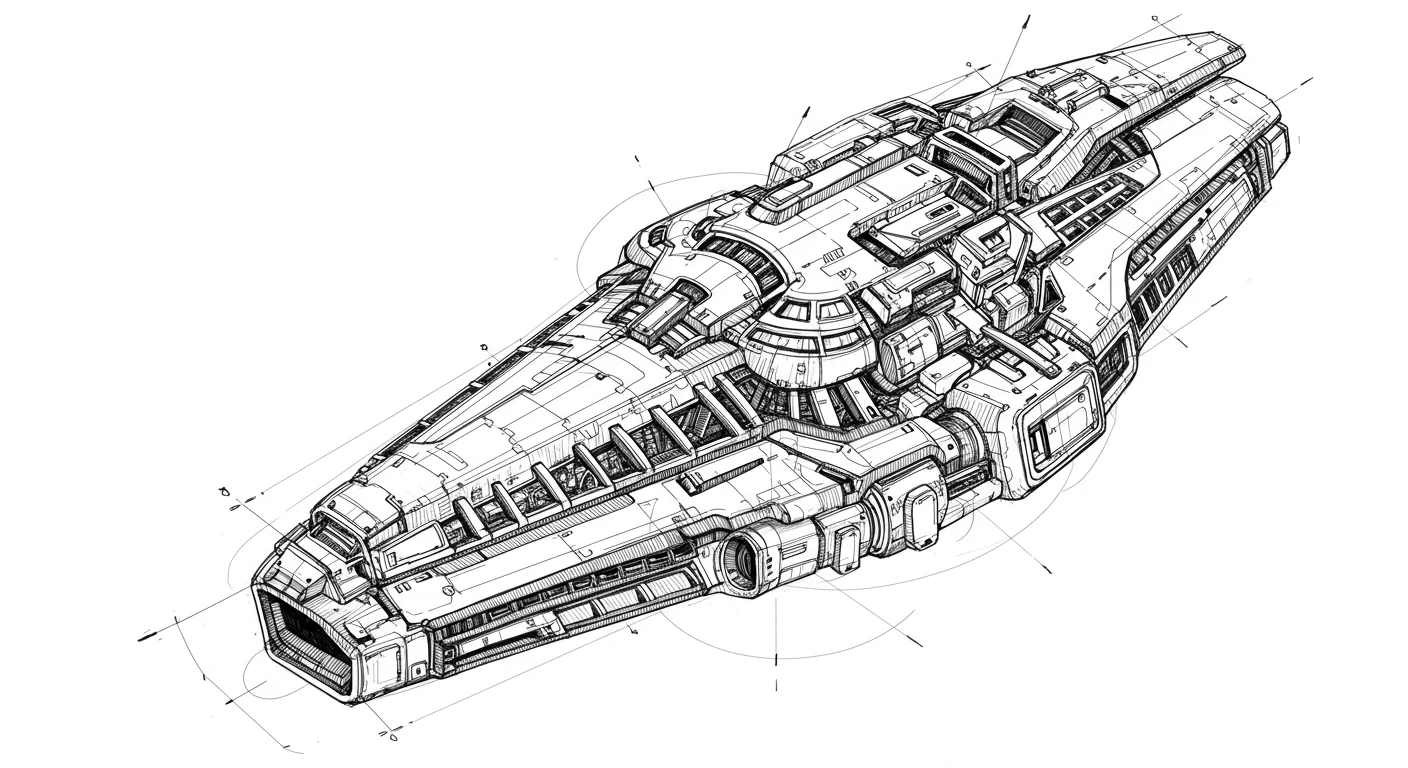
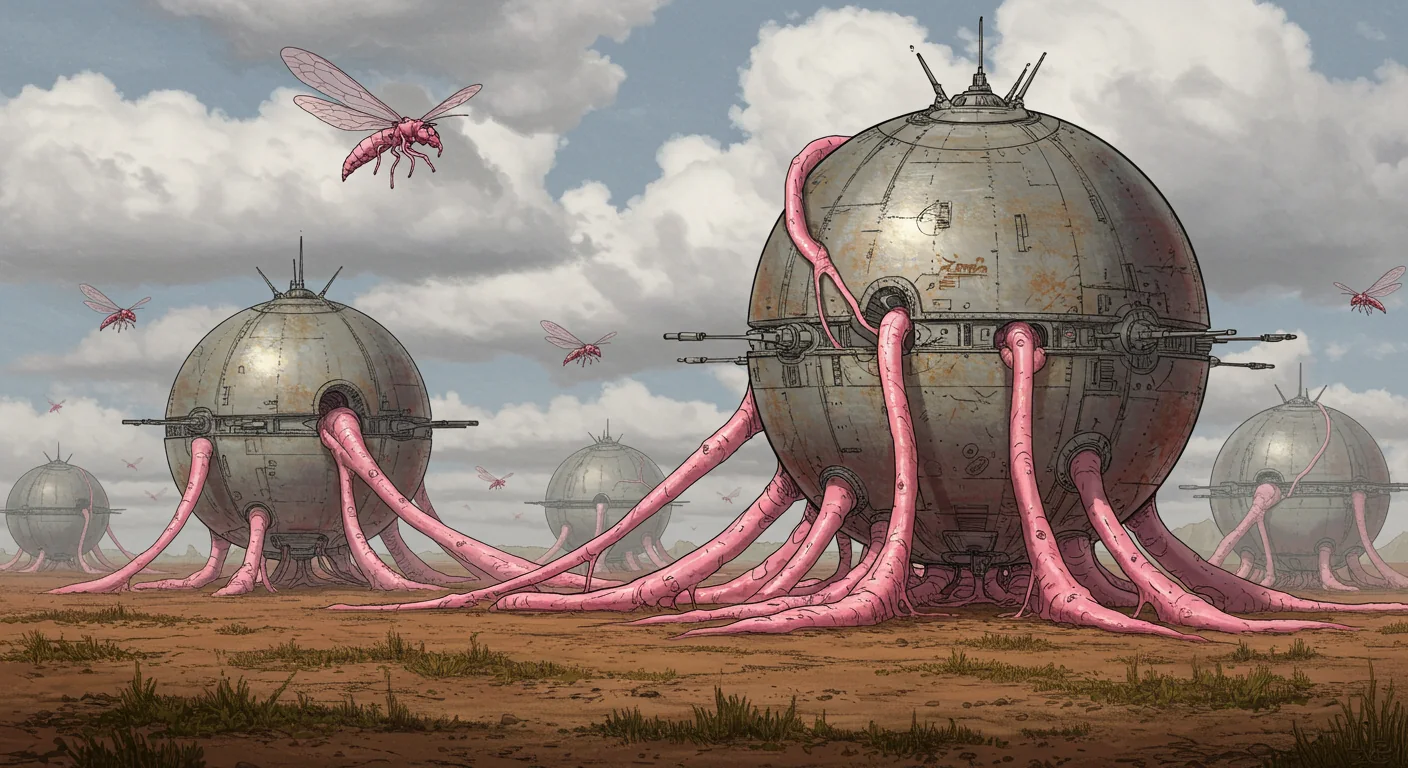
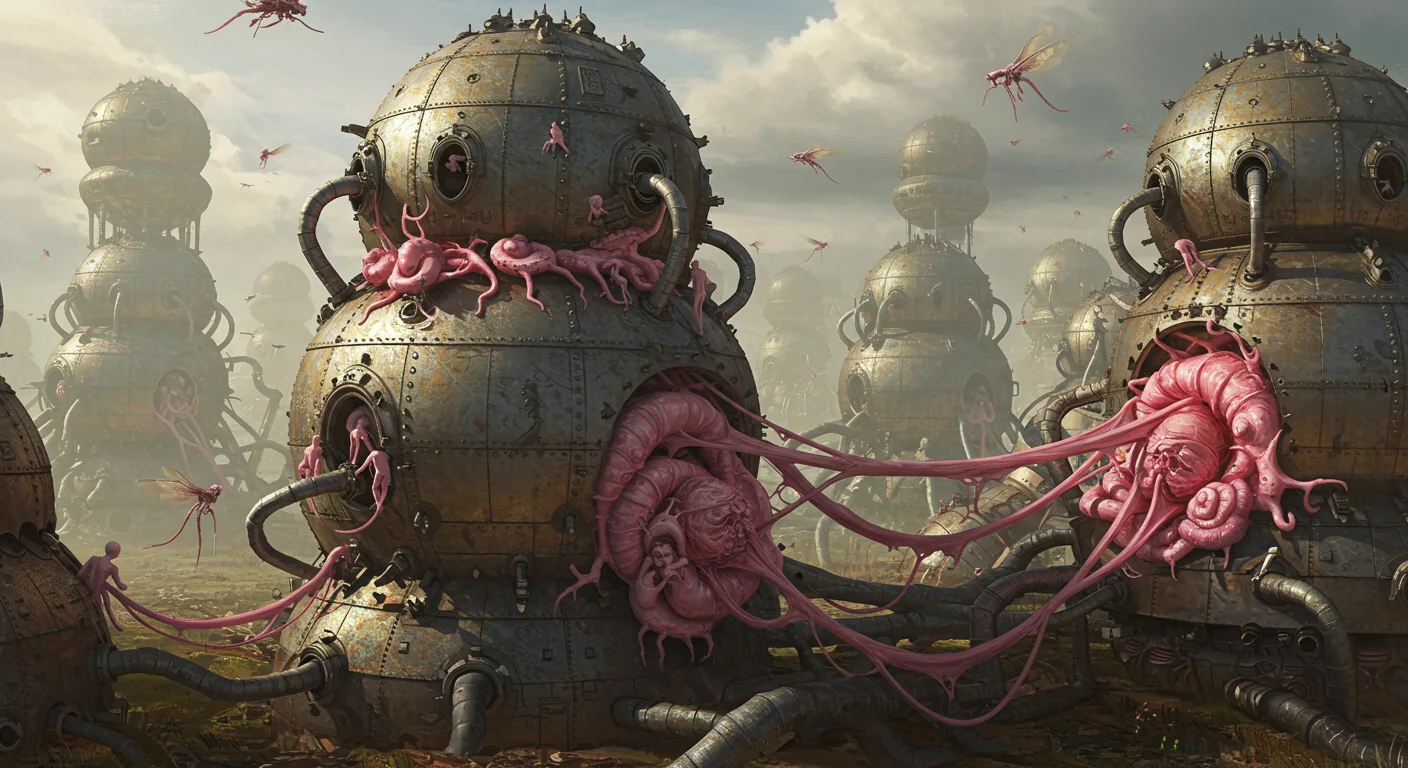
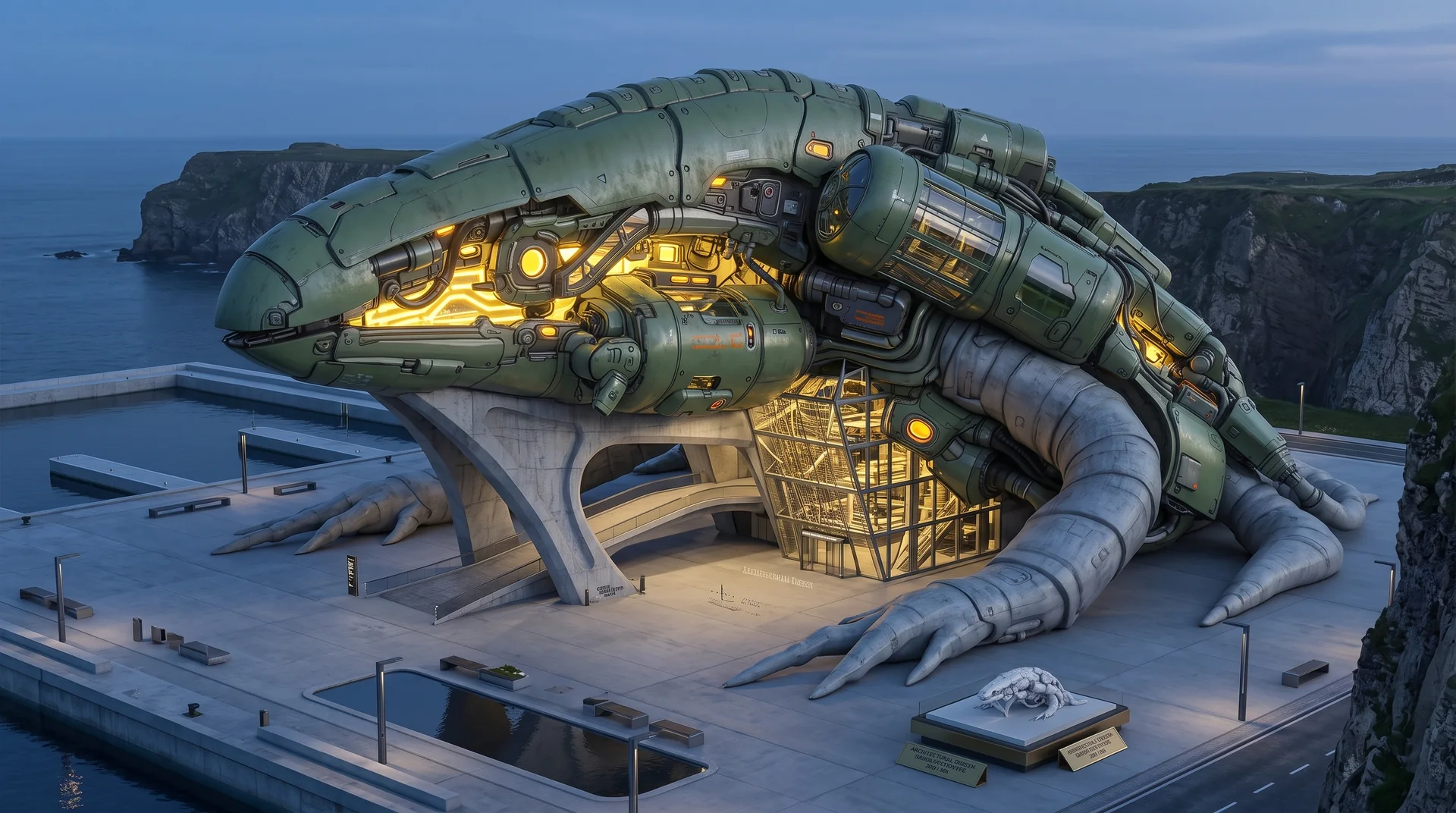
I curated the sequence to show how the idea develops across scale, atmosphere and function.
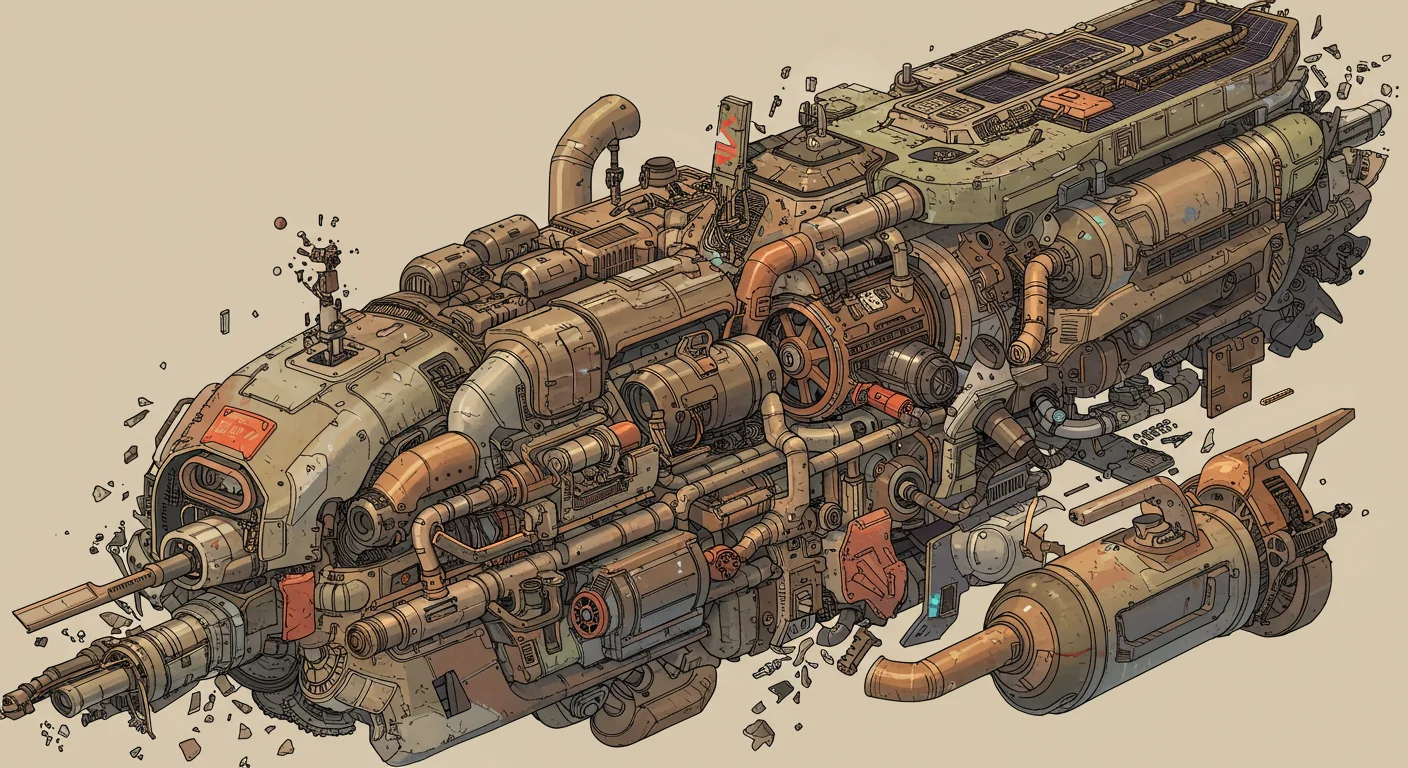
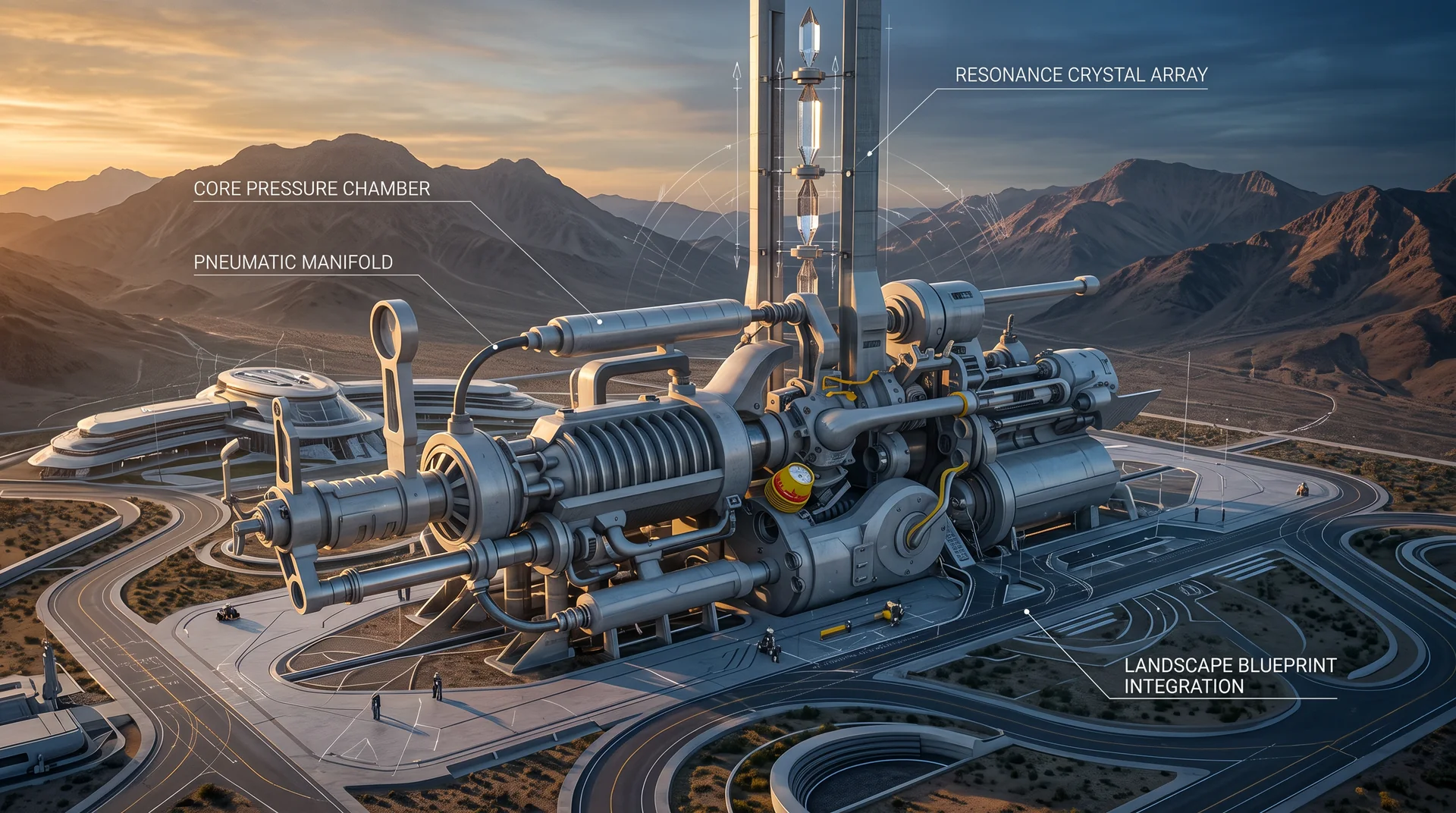
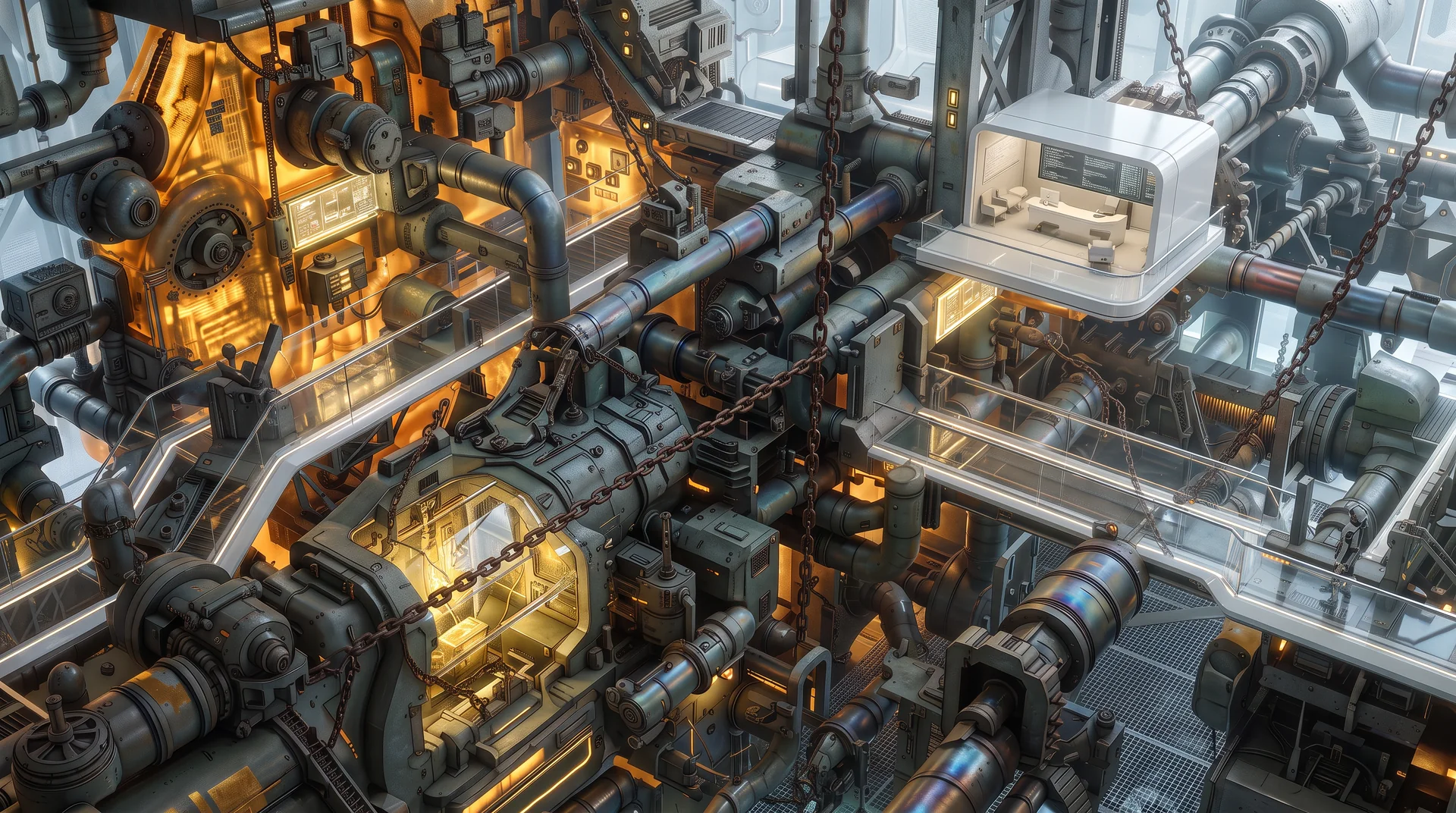
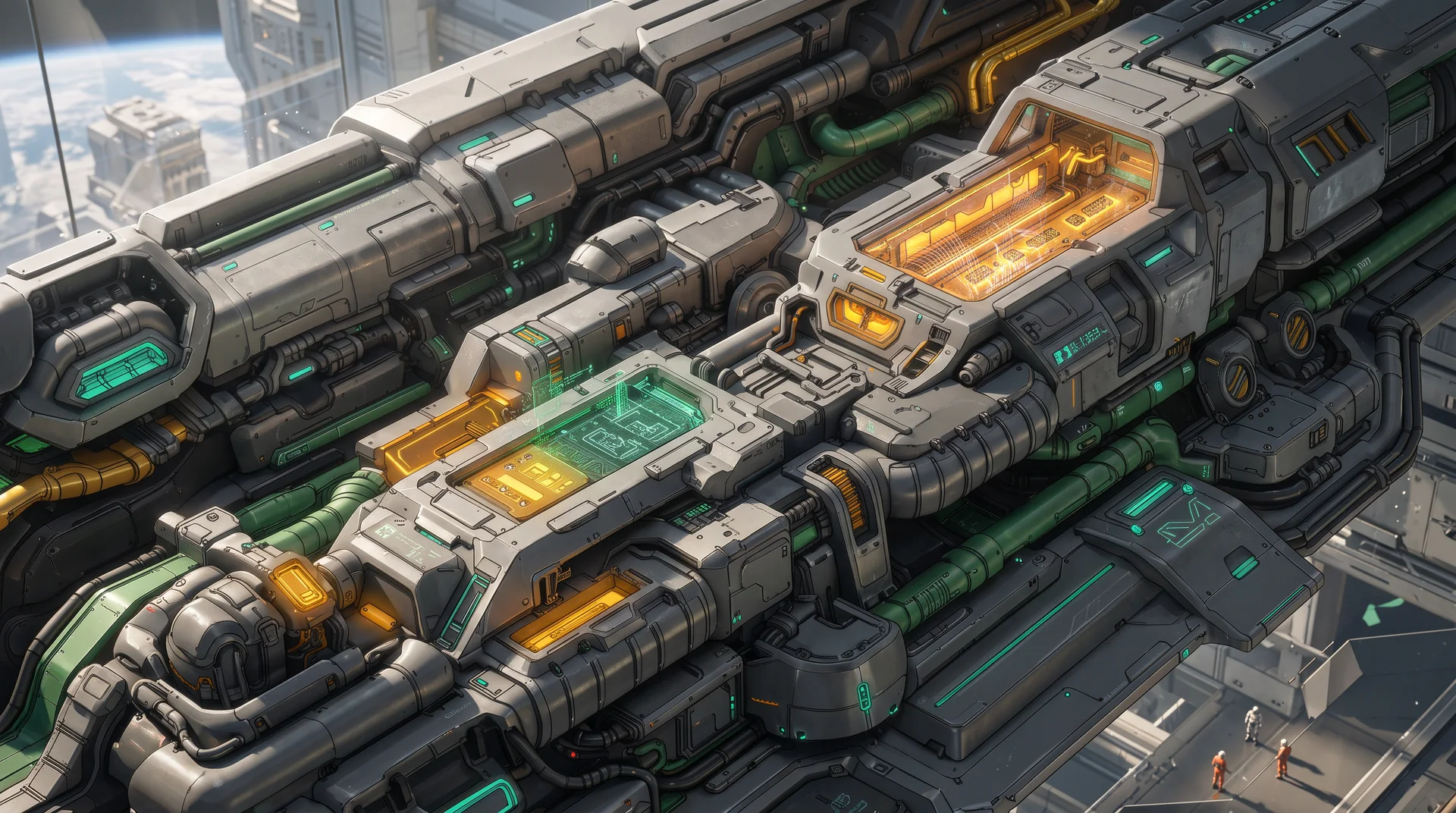
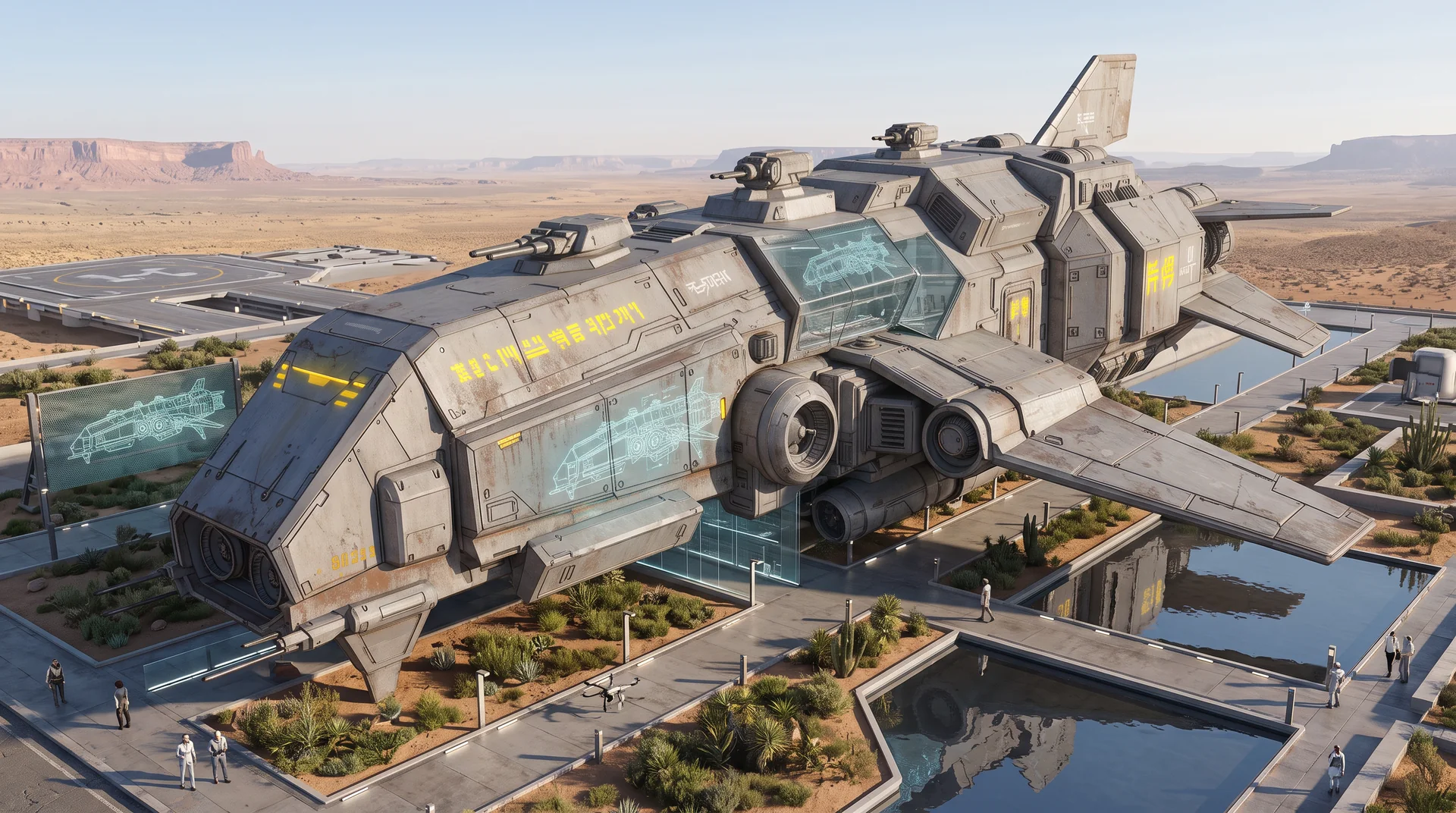
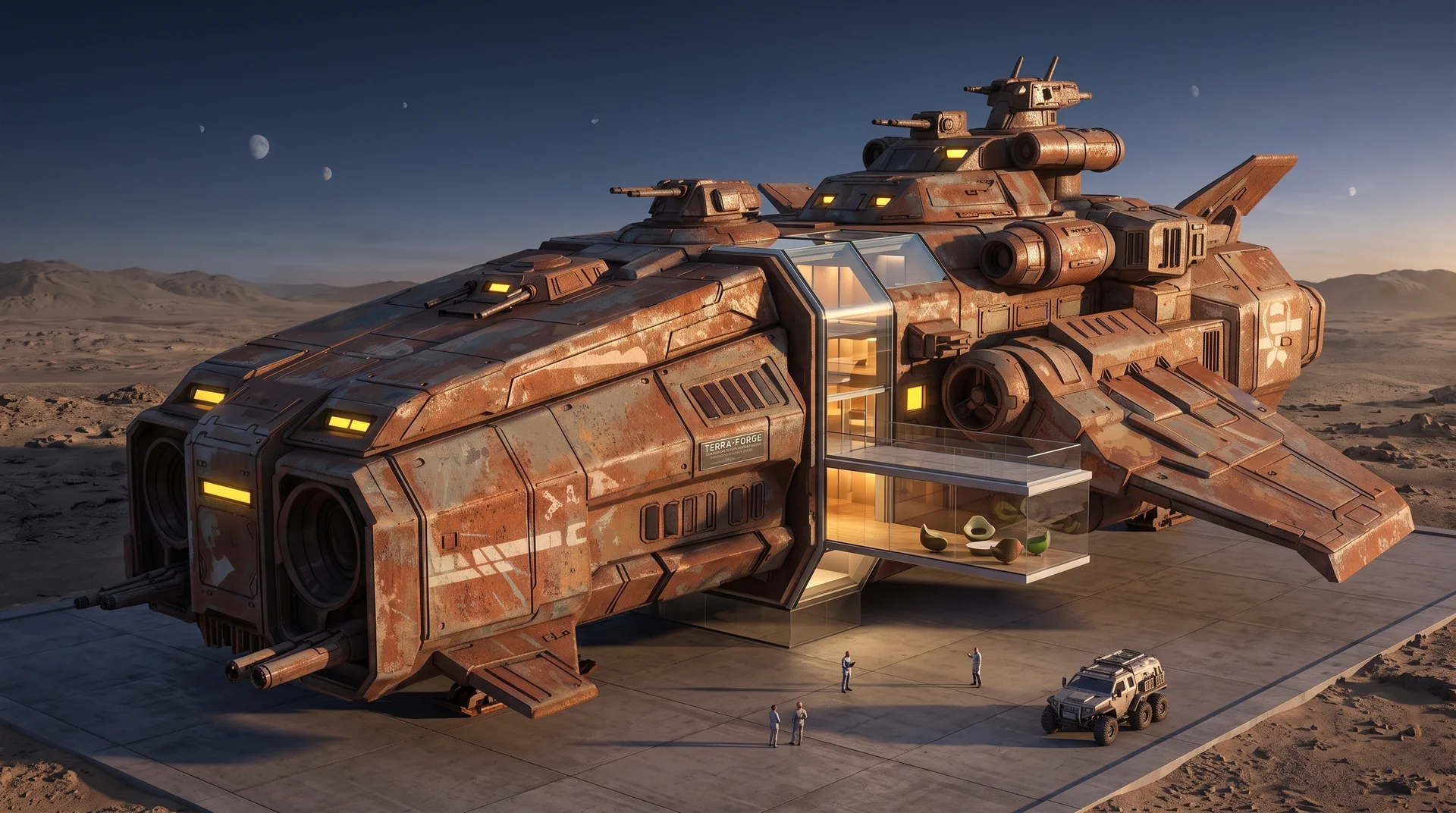
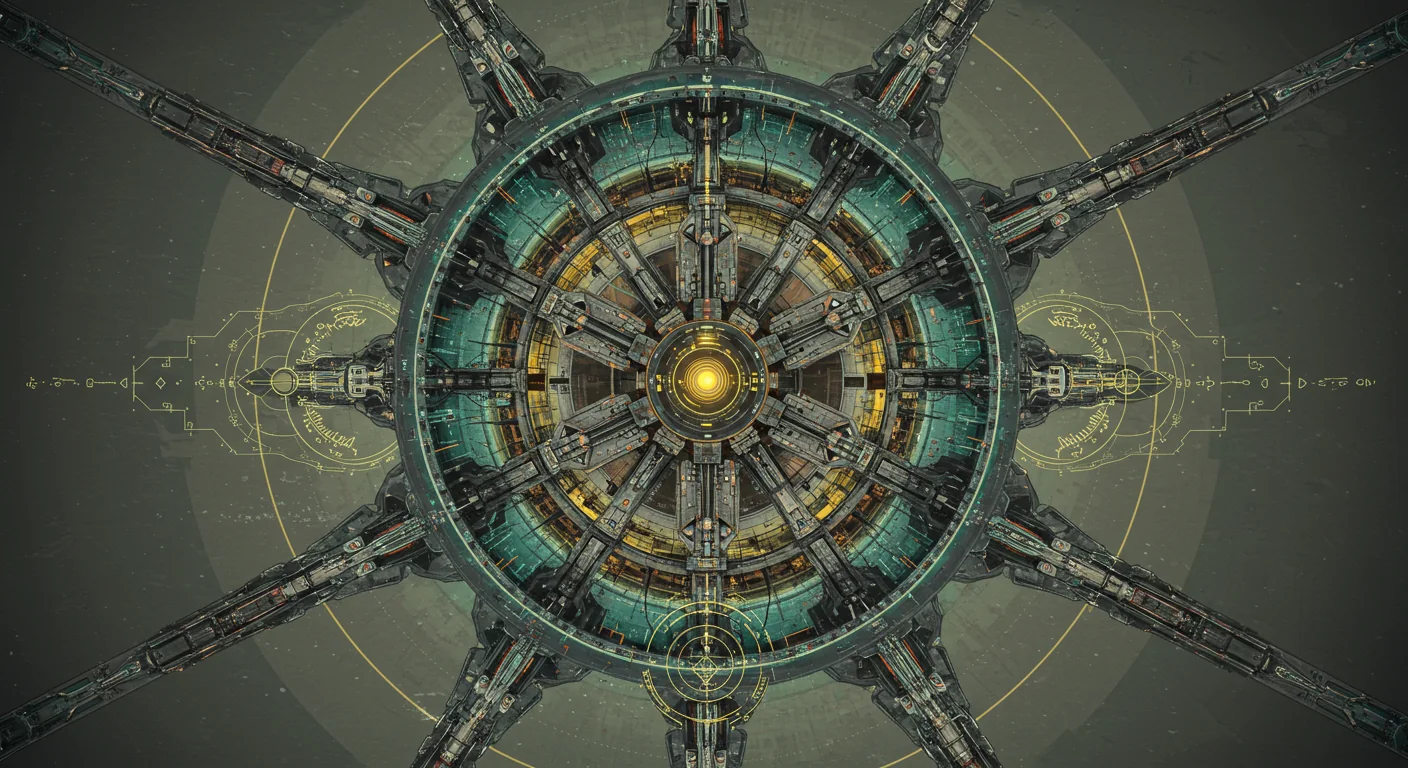
World system
What holds the idea together.
- 01Drawing-to-render design lineage
- 02Mobile-habitat silhouette families
- 03Biomorphic and industrial morphology
- 04Terrain-specific propulsion and locomotion
- 05Deployable structure and site interface
- 06Human scale, access and circulation
- 07Power, service and maintenance layers
- 08Weathering, repair and material rules
- 09Navigation, interface and motion language
Production-aware next step
How the concept could become a working brief.
Further development would choose three terrain briefs, assign one locomotion and deployment principle to each family, create orthographic, cutaway and kinematic studies, map cabin, workshop and service access, define joint loads and structural transformation, establish repair and weathering rules, test silhouettes at film and game-camera distances and animate one complete arrival-to-habitat sequence.
Competencies evidenced
The senior value behind the images.
- Mobile-habitat worldbuilding
- Sketch-to-photoreal art direction
- Industrial and architectural systems
- Terrain-led narrative design